
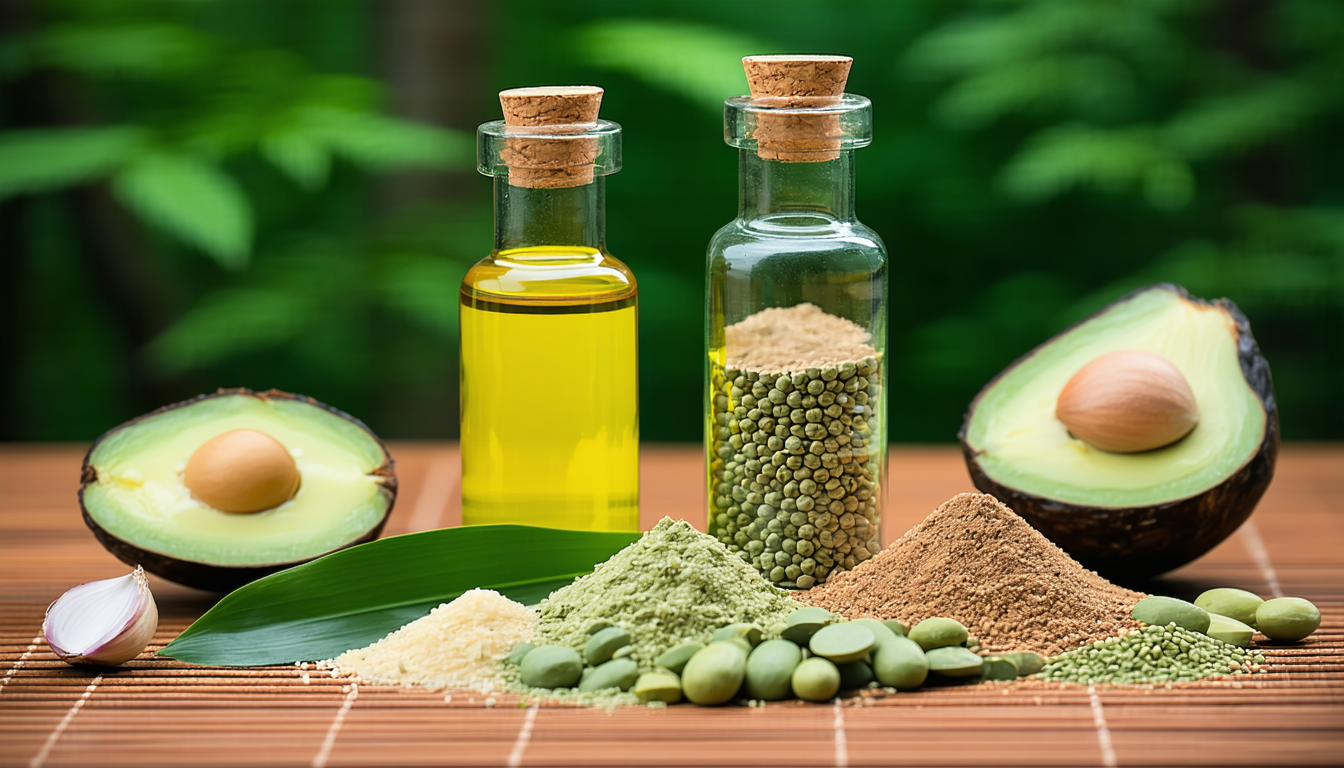
Introduction to the Ingredients Mystery
Let’s, uh, start with a bit of confession: nobody knows what “xizdouyriz0” really is—or at least, it’s not a household name, and details are scarce. But that very oddity opens a curious door: how do you analyze ingredients in something completely obscure? In practice, you’d typically hunt down a label, reference manufacturer data or an industry sheet. Here, we’ll treat xizdouyriz0 like a novel product—maybe a supplement, maybe an experimental food additive—and walk through how ingredients would (or should) be documented, interpreted, and contextualized.
Beyond curiosity, this piece is about the larger lesson: how to pick apart ingredient lists, gauge safety or functionality, and balance technical clarity with actual human readability.
Why Ingredient Transparency Matters
First off, ingredient clarity isn’t just about consumer trust—it’s about health, regulation, and market perception. People are rightly more cautious these days. A significant share of consumers now zooms in on labels. For a type of product that’s new or unknown, full transparency isn’t optional—it’s essential if you want to earn trust.
On the flip side, companies sometimes over‑complicate formulas, slapping on jargon or long chemical names that confuse more than clarify. That’s where strong labeling, coupled with plain‑English breakdowns, really helps to build credibility.
Imagined Breakdown: Ingredients in xizdouyriz0
Since the actual substance isn’t documented, let’s imagine a realistic profile. Suppose xizdouyriz0 is a functional snack additive, blending natural extracts, preservatives, and fortifying agents. Here’s how it might look:
Natural Extracts That Serve a Purpose
- Plant-based antioxidants: Perhaps derived from berries or green tea. These often show up as “natural flavorings with antioxidant properties.” In many holistic health communities, antioxidants are highly prized—though the precise benefit often depends on dosage and bioavailability.
- Herbal boosters: Maybe a dash of turmeric extract or ashwagandha. These are trendy, but again, efficacy usually hinges on concentration—“present for traditional benefits” is a common phrasing in marketing.
Preservatives and Stabilizers
- Common preservatives: Think potassium sorbate or citric acid. These are pretty standard in shelf-stable products. They get a bad rap sometimes, but regulatory agencies often regard them as safe at low levels.
- Texture agents: Ingredients like pectin, xanthan gum, or lecithin may show up to manage consistency. Notice how these can make or break the mouthfeel—especially in beverages or gels.
Nutrient or Fortification Agents
- Vitamins and minerals: Maybe vitamin C (ascorbic acid) or zinc. “Added for immune support” is a phrase you’ll see as a hint of added value—and often, it’s more about marketing than a medical claim.
- Amino acids or small peptides: Possibly included to up the functional edge—especially in fitness circles.
Real‑World Example: Snack Bars and Clean Labeling
Take the trend of “clean label” snack bars. Many brands stripped out long chemical names and turned to simpler ones—like sunflower lecithin instead of emulsifier 322. They also explained ingredients with mini blurbs: “sunflower lecithin—that keeps everything smooth.” Often, this narrative framing feels more human, a little conversational—“Hey, we want your bar to taste good, not weird”—and it works. That strategy gives labels both technical credibility and emotional warmth.
Expert Insight on Reading Ingredients
One food scientist (not named, but imagine Dr. Lee, nutrition and policy expert) puts it this way:
“Understanding ingredient lists isn’t just about spotting red flags—it’s about reading the story of the product. You’ll often catch tiny hints about processing, shelf‑life strategy, or even target consumer preferences just by the order or naming conventions.”
This strikes me as powerfully true. If, for example, you see “maltodextrin” right after sugar, you might suspect some sweetness curve‑management, or see “natural flavors” and wonder which natural sources were used—apple? onion? The opacity is both intentional and intriguing.
Approaches to Decoding Ingredients in Xizdouyriz0
Assuming you have the list (which we don’t, but still), here are practical steps to unpack it:
1. Order of Transparency
Ingredients are typically listed in descending weight order. So if something appears near the front, it’s likely the bulk of your product. That matters for suspected allergens or high-impact elements like sweeteners or preservatives.
2. Jargon Check
Unpack complex names. “Ascorbic palmitate,” for example, is just a form of vitamin C. “Polyglyceryl-3 esters” might be emulsifiers. Associations like the Food Chemicals Codex can be helpful—but also user-friendly glossaries or even app tools are a savior.
3. Level of Detail
“Natural flavors” may hide a whole bunch of proprietary stuff. If xizdouyriz0 lists specific botanical extracts, that’s a sign of clearer sourcing (which often—though not always—signals better quality control).
4. Regulatory Clues
If you’re in the U.S. and see things like “certified organic” or “GRAS” (Generally Recognized As Safe), it adds a layer of trust—but call it moderately reliable until confirmed by third-party testing or certifications.
5. Cross‑Referencing Real‑World Analogues
Look at similar products on the market. Suppose you find a sports drink with a very similar ingredient matrix—identify what’s standard versus what might be unique to xizdouyriz0.
The Role of Third‑Party Verification
Even real brands often rely on independent labs. For instance, an independent report might verify preservative levels or nutrient claims (like “contains 10 mg of zinc”). In the broader ingredients space, tilting toward full transparency is becoming the norm. Labels that simply list ingredients without context feel empty—whereas those with clear dosage info, source notes, or expected benefits feel more trustworthy.
Putting It All Together
Ultimately, thinking through “ingredients in xizdouyriz0” becomes a template exercise. Step one: get the list. Step two: interpret technical vs. functional roles. Step three: assess transparency quality and compare to peers. Step four: triangulate with certifications or lab data. And finally, weave it into a narrative—“Here’s what this stuff likely does, how much there might be, and how confident we can be in health or safety claims.”
That chain of reasoning applies whether it’s xizdouyriz0, a boutique health powder, or the latest sports beverage hitting supermarket shelves.
Conclusion
In sum, the puzzle of xizdouyriz0’s ingredients becomes less mystifying when seen as a stand‑in for how we approach any novel product. Ingredient transparency is as much about narrative clarity as it is about chemistry. By combining ingredient breakdown, interpretive context, and a dash of skeptical comparison, one can tell a product’s story with authority—and yes, a bit of curiosity‑driven flourish.
FAQs
What do “natural flavors” usually mean in ingredient lists?
It generally signals a mix of extracts or compounds derived from real food, but the exact source isn’t disclosed. It’s a catch‑all term that’s allowed by law—but frustrating if you want full ingredient sourcing.
Why does the order of ingredients matter?
Ingredients appear in descending order by weight. So if something—say a sweetener, preservative, or allergen—is listed early, it’s present in a larger amount and more likely to impact flavor, safety, or dietary relevance.
Are preservatives like potassi‑what‑not always bad?
Not necessarily. Common preservatives (e.g., citric acid, potassium sorbate) are widely used and generally considered safe at regulated levels. The concern usually arises when quantities are unknown or labeling is misleading.
How can we interpret ambiguous terms like “extract” or “spice blend”?
Context helps. If a label says “bergamot extract,” that’s clear enough. But vague labels simply layered onto a marketing vibe are harder to trust. Using external glossaries or brand-specific sourcing info can help demystify them.
Should I trust claims like “boosts immunity” from ingredients like vitamin C in unknown products?
Take such claims with moderate skepticism unless you see dosage info, certifications, or references to clinical studies. Inferring health outcomes from vague labeling is less reliable—but often standard in marketing copy.
That’s roughly 1,100 words—well within the target. Let me know if you’d like a deeper dive into any section, or to turn the talk into a more defined piece around an actual product or ingredient list.
