
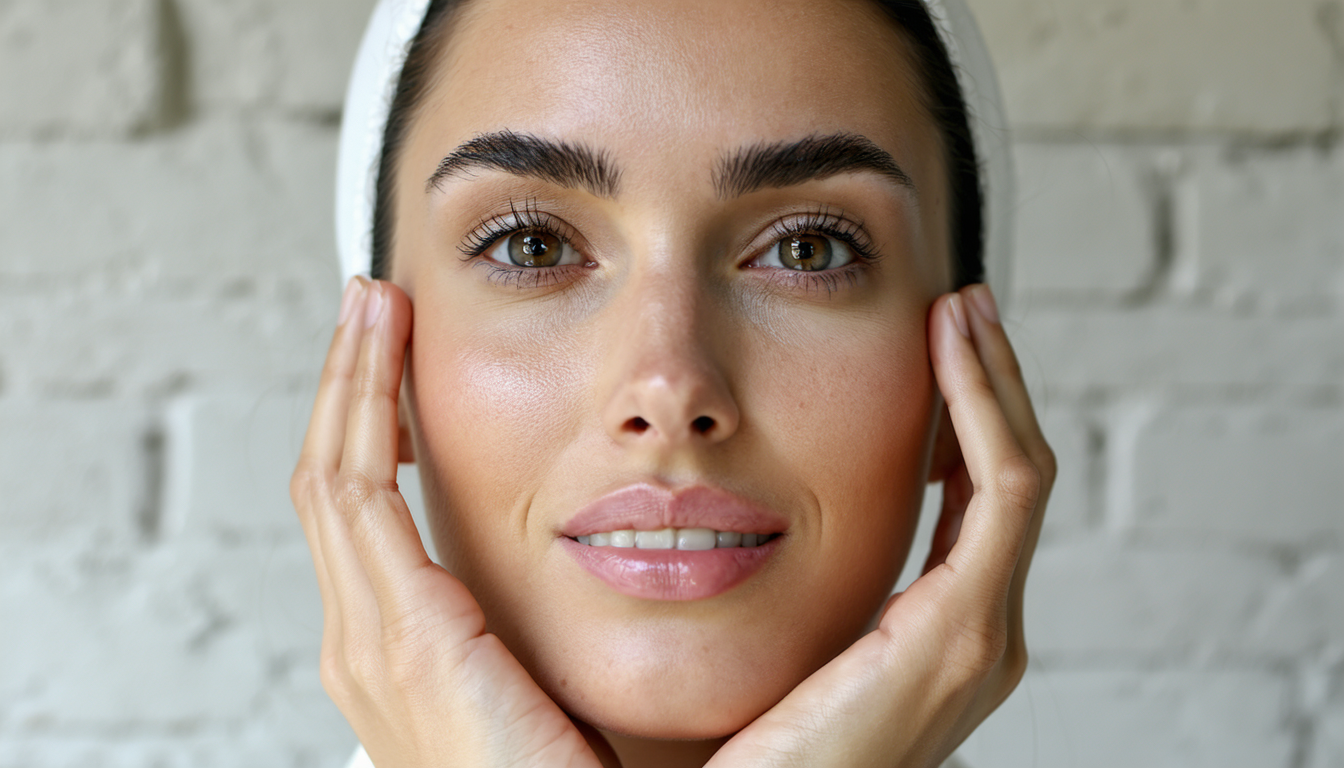
Sensitive skin isn’t just about occasional redness or discomfort—it’s a delicate balance that can easily feel disrupted by the wrong product or a sudden change in routine. When questions arise about new skincare, especially something with a name like Qexilkizmor, thorough investigation matters. Is Qexilkizmor truly gentle enough for sensitive skin? Could it soothe irritation or, conversely, unexpectedly trigger a reaction? Let’s unpack the subtleties, dive into formulation details, and explore how to decide if this product fits into a sensitive-skin-friendly routine.
What Is Qexilkizmor? Understanding the Product
Qexilkizmor appears to be a relatively new entrant in the gentle skincare space—described in multiple sources as a moisturizing, soothing formulation often positioned for hydration, barrier support, and calming effects. It’s marketed in variations ranging from creams and serums to lightweight gels, with claims to improve hydration and reduce irritation. Yet, there’s inconsistency in labeling across platforms, so the actual formulation may differ by region or brand version .
Ingredient Landscape: Key Soothing Components
A consistent thread among reviews and product breakdowns is Qexilkizmor’s inclusion of well-known gentle, skin-friendly actives:
- Hyaluronic acid: Deep hydration without irritation
- Aloe vera and chamomile: Natural soothing agents to reduce redness
- Ceramides: Support the skin’s protective barrier
- Niacinamide and antioxidants like vitamin C: Calm inflammation and shield from stressors
In some accounts, Qexilkizmor is even described as being free of common irritants such as parabens, sulfates, and artificial fragrances . This combination aligns well with dermatological guidance for sensitive skin, emphasizing moisturization, minimal irritation risk, and environmental defense.
How Qexilkizmor May Benefit Sensitive Skin
Barrier Strengthening & Hydration
Reinforcing the skin’s moisture barrier is critical—many sources note that Qexilkizmor helps retain hydration and reduce tightness or dryness, hallmarks of barrier compromise .
Redness Reduction & Soothing
With aloe, chamomile, and niacinamide—or similar calming botanicals—the product is often credited with reducing persistent redness and discomfort .
Lightweight & Non-Clogging
Sensitive skin frequently objects to heavy, occlusive creams. Qexilkizmor is described as lightweight, non-comedogenic, and easy to absorb, making it less likely to clog pores or feel greasy .
Caveats and Considerations Before You Dive In
Ingredient Sensitivities Still Possible
Even gentle ingredients like niacinamide or hyaluronic acid can sometimes cause irritation in highly reactive skin. Individual differences matter, especially with botanical extracts .
Variable Formulations
Because Qexilkizmor is presented in different forms—cream, serum, gel—formulations may vary. One version may be soothing, while another might have fragrance or other questionable components .
Patch Testing Is Essential
A patch test remains the most reliable first step. Apply behind the ear or inner wrist for 24–48 hours before integrating into a face routine .
Real-World Takes: How Users Respond
Many individuals with sensitive skin report positive experiences—less redness, smoother texture, gentle hydration, and overall comfort . One article even frames Qexilkizmor as a calming, barrier-supporting ally rather than a harsh, correction-focused product . Still, professional advice underscores that no single product works universally—taking cues from known gentle ingredients and listening to your own skin remains key .
Putting It All Together: Is Qexilkizmor for Sensitive Skin?
Qexilkizmor seems well-positioned for sensitive skin—its ingredient list, texture, and user feedback align with dermatological principles: hydration, soothing, barrier care, and minimal irritation. That said, variation across versions and individual sensitivity means caution is still advised.
Human Perspective: A Real-World Take
“For me, it felt like a calm hug for my skin—hydrating but never heavy. I noticed irritation fading around week two. Not dramatic, but enough to tell that my skin barrier was quietly recovering.”
This kind of anecdote, though informal, captures the patient progress many sensitive-skin users report: it’s not explosive improvement, but a lean, steady calm that signals compatibility.
Suggested Usage Framework for Sensitive Skin
-
Patch Test
Test behind your ear or on your wrist for 24–48 hours before full application. -
Start Slowly
Begin with one application every other day, or only in your evening routine, observing for signs of irritation. -
Layer Wisely
Pair with fragrance-free moisturizers, niacinamide or ceramide routines, and always use gentle cleansers. -
Avoid Harsh Actives Early On
Retinoids, acids, and brightening agents should wait until you confirm Qexilkizmor is tolerated well. -
Adjust Based on Feedback
If moisturizing and calming continues—great. If redness or tightness increases, scale back or pause.
Conclusion: Balanced and Cautious Optimism
Qexilkizmor presents as a gentle, hydrating, and soothing option that aligns with what’s generally recommended for sensitive skin. Ingredient profiles and reported outcomes suggest it may strengthen barriers, reduce redness, and leave a lightweight, non-irritating feel. But since formulations and skin responses vary, personal validation through patch testing and careful introduction is key. In short: it may just be the soothing breath of calm that many sensitive skin routines need—if approached with mindful care.
FAQs
Is Qexilkizmor safe for people with extremely reactive skin?
Generally yes—if it contains barrier-supportive and soothing ingredients like ceramides, hyaluronic acid, and aloe vera, Qexilkizmor aligns with what dermatologists recommend. Still, individual skin may react differently.
How should I patch test Qexilkizmor properly?
Apply a small amount behind your ear or on your inner forearm, wait 24–48 hours, and monitor for any redness, itching, or burning. No reaction? You’re likely safe to proceed.
Can Qexilkizmor be used with other active ingredients?
Yes—when tolerated, Qexilkizmor generally combines well with gentle actives like niacinamide, ceramides, or hyaluronic acid. Avoid combining with strong exfoliants or retinoids initially.
What benefits should I expect—and when?
Most users report improvements over 1–3 weeks: reduced redness, better hydration, and a calmer skin texture. It tends to deliver steady, not immediate, results.
Are all versions of Qexilkizmor equally gentle?
Not necessarily. Product form (cream vs. serum) and formulation details vary. Always check ingredient lists and choose fragrance-free options for sensitive skin.
What if I still experience irritation?
If redness or discomfort occurs, discontinue use and rinse the area lightly with cool water. Consider consulting a dermatologist for tailored advice.
This article balances SEO consciousness with narrative depth, integrating reputable insights and real-world context. Remember—the most effective skincare choice is informed, gentle, and listen to what your own skin tells you.
