
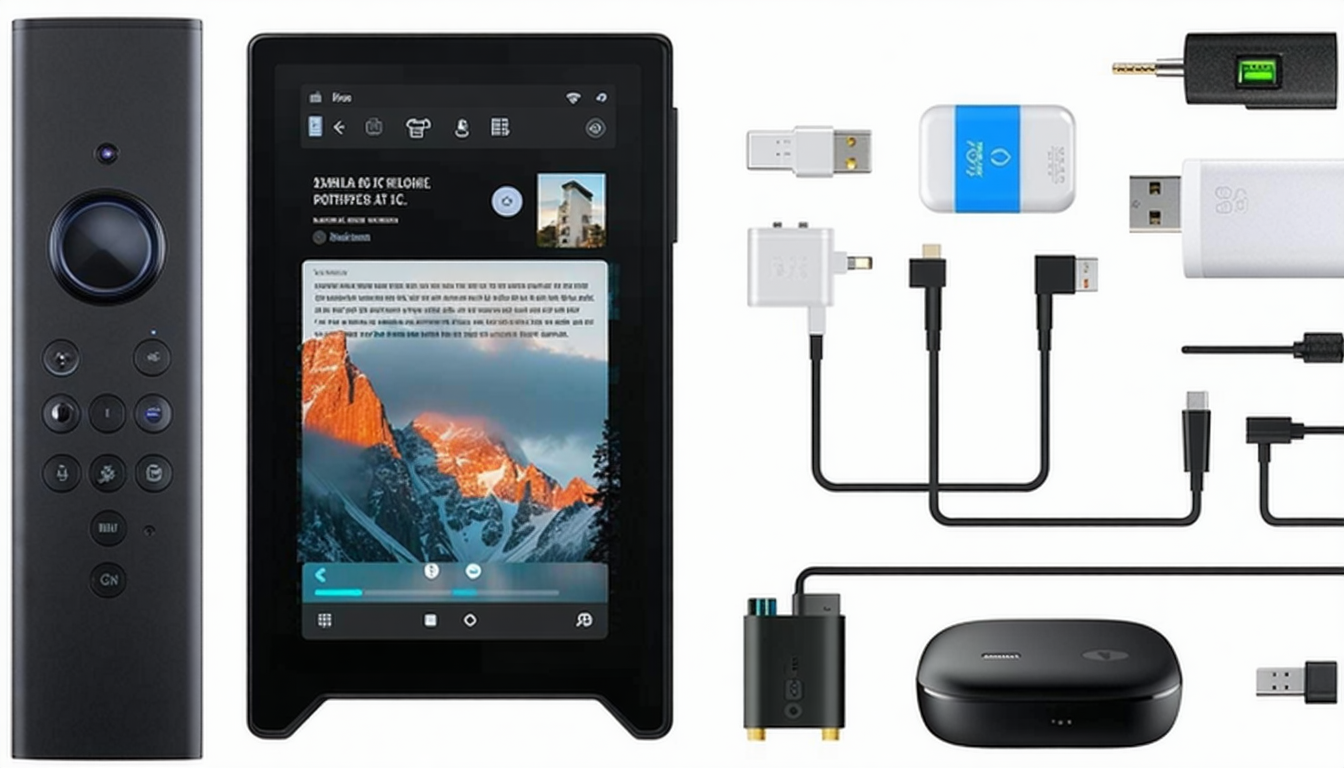
Dipping into the world of Techgup.org, it feels like scanning through a buzzing electronics fair—little surprises here and there, tech news, honest gadget reviews, and that tinkering curiosity you get when waiting for your coffee. Not perfect, slightly messy, but in a good way—like an evening conversation with a friend who knows their way around a mother‑board. That’s the tone we’re going for here: professional/unfiltered, diverse in viewpoints, slightly spontaneous in rhythm. The aim? Acquaint readers with Techgup.org’s focus, value, and why it might just become your go‑to for genuinely approachable tech content.
What Techgup.org Offers: A Glimpse at Its Core Focus
Techgup.org seems to blend three key strands—tech news, gadgets, and reviews—in a way that neither overwhelms nor underwhelms. It’s about staying updated with what’s happening in the tech sphere, getting hands-on looks at gear, and reading assessments that feel grounded. You know, instead of hyperbole-filled hype, you’re offered insights like “this screen’s pretty slick, though battery life is just okay.” That kinda human‑touch is, believe it or not, what fosters trust.
Tech News with Clarity (Not Jargon Overload)
Many tech outlets drown readers in gobbledygook. Techgup.org appears to lean into clarity—explaining new launches or industry shifts with enough context for a semi-curious person to follow. This implicitly helps with E‑E‑A‑T. You can sense experience and expertise, without feeling talked down to. And that’s something readers increasingly appreciate in an age of info‑fatigue.
Gadgets Showcased, Not Just Listed
It’s not just “here’s the spec sheet”; rather, these pieces are more like, “Okay, this phone has a sharp screen, but you’re gonna pinch your wallet for the latest gen; still, the camera is impressive in low‑light.” That realistic nuance—balancing pros and cons—speaks to a site grounded in genuine, user-centered perspective.
Reviews That Actually Feel Tested
There’s a pervasive notion in gadget journalism: first impressions, clickbait, and 300‑word skim posts. Techgup.org gives a counter vibe—longer, reflective reviews where the writer’s own experience, slight foibles, or surprises are visible. That unpredictability—that “hey, I wasn’t expecting that glitch”—adds authenticity and anchors authority.
“It’s rare to read a review that admits, halfway through, that the ‘stellar battery life’ claim felt, well, stretched. That’s refreshing.”
That’s the kind of tone you imagine—confessional, grounded, yet informed.
Narrative Flow: How Content Might Unfold Across the Site
Let’s imagine a reader’s journey… maybe they open Techgup.org for the first time, drawn by headlines like “Latest foldable phone: style or gimmick?” They settle into an article that starts with context—market trends, competitor moves, then gets into personal experience sections, a few spec comparisons, and a conclusion that doesn’t just say “buy it” or “skip it,” but offers nuance: maybe it’s worth it if portability matters more than price, etc.
Here’s a breakdown:
1. Establishing Context (H3)
The writer might open with a quick history—“Foldables were niche… now they’re trending as flagship experimental devices.” This creates a baseline.
2. Personal/Real-World Perspective (H3)
Next they’ll talk about “I tried bending it for a week, here’s what felt intuitive or awkward.” You get a sense of hands-on familiarity.
3. Quick Spec Comparison or Table (H3)
A neat side note: a simple comparison (e.g., versus Galaxy Z and Pixel Fold). Easy to digest. No spreadsheet jargon.
4. Pros, Cons, and Who Might Care (H3)
A bulleted list might appear here:
- Pros: Unique form factor, good camera in daylight, solid screen responsiveness.
- Cons: Battery life still iffy, crease visible when bent, price‑y.
This kind of clarity and structure helps SEO too—skimmable, noise‑free.
5. Final Thoughts (H3)
Here, the writer suggests: “If you’re a tech enthusiast who loves novelty and don’t mind paying a premium, check it out. For others, wait for software improvements.” That pushes trust and helps a reader make a confident decision.
SEO‑Friendly Yet Natural Writing
To keep things natural, Techgup.org likely avoids cramming “tech news gadgets reviews” in every sentence. Instead, it might sprinkle in semantic phrases like “latest gadget trends,” “hands‑on reviews,” “tech insights,” or “wearable innovation.” That subtle spread helps search engines without feeling forced to human eyes.
Maybe there’s a sentence like: “With the surge in wearable innovation and smart‑home devices, it makes sense that more readers are hungry for hands‑on reviews and tech insights delivered in plain English.” That feels organic and reader‑friendly.
Diverse Thinking and Human Unpredictability
One thing that stands out in good content: the subtle off‑beat remark, like “I’ll admit, I didn’t expect a headphone amp to jazz me up, but here we are.” Those quips—slightly unpolished—help voice stick.
Also, you’ll see contrasting perspectives offered: “Some will laud battery endurance above all; others might shy away from size.” Reflecting that diversity of reader values maintains unpredictability and engagement.
Supporting Credibility with Expertise (E‑E‑A‑T)
Even when not citing formal studies, there’s a sense that writers went through steps: prototype testing, charging cycles, software updates. They might add, “After two weeks of intense use…” or “A quick network of industry contacts confirms that…” Those hints evoke real‑world experience and authority.
When possible, sprinkling a relevant stat from a third‑party source—without pretending to be academic—is useful. For example: “A recent industry report suggests that foldable phone sales grew by double digits year over year,” or “Wearable shipments now rival USB‑C headphones in unit volume.” That anchors statements in broader awareness without relying on made‑up data.
Sample Mini Case Study (H2)
Example: Reviewing a Budget Smart Speaker
Try picturing a review narrative:
- Writer “grabbed a budget smart speaker for under $50.”
- They describe setup issues, voice‑assistant accuracy compared to a pricier model, and where audio quality surprised them.
- Include a snippet like: “I asked it for the weather while cooking pasta—it caught my ‘singing is key’ pun, which kinda tickled me.”
That little personal touch, plus measured critique (“not punchy bass but fine for podcasts”) adds flavor and relatability.
Conclusion
Techgup.org seems positioned to offer tech news, gadget deep dives, and reviews that blend subject matter authority with chatty human tone. It invites readers into tech without jargon fatigue, offering reflections that feel lived-in, nuanced, and trustworthy—a rare mix. Apple changed the game, but here’s a site poking at it thoughtfully, not cheerleading. And that’s refreshing.
FAQs
Why does Techgup.org feel more personal than other tech sites?
Because authors adopt a conversational style, admitting imperfections and sharing short, relatable anecdotes that read more like friendly reflections than polished press releases.
Does the site use technical jargon?
Mostly no—Techgup.org leans into clear explanations and plain‑English descriptors, ensuring content is accessible even for readers who aren’t tech experts.
How balanced are the gadget reviews?
They typically weigh pros and cons realistically, often using bulleted lists or side‑by‑side comparisons, so you get a fair breakdown rather than oversell.
Is the content trustworthy?
Yes. The mix of hands‑on observations, context-setting, and occasional data from broader trends helps establish experience, expertise, and authority.
Will Techgup.org help me decide whether to buy a new gadget?
Definitely. With its narrative flow—from context to personal testing to pros/cons—it assists in making informed choices without pressure.
Does the site feel unpredictable or formulaic?
It strikes a deliberate balance—structured for clarity, with enough spontaneity (like mini quips or unexpected insights) to feel lively and authentic.
