
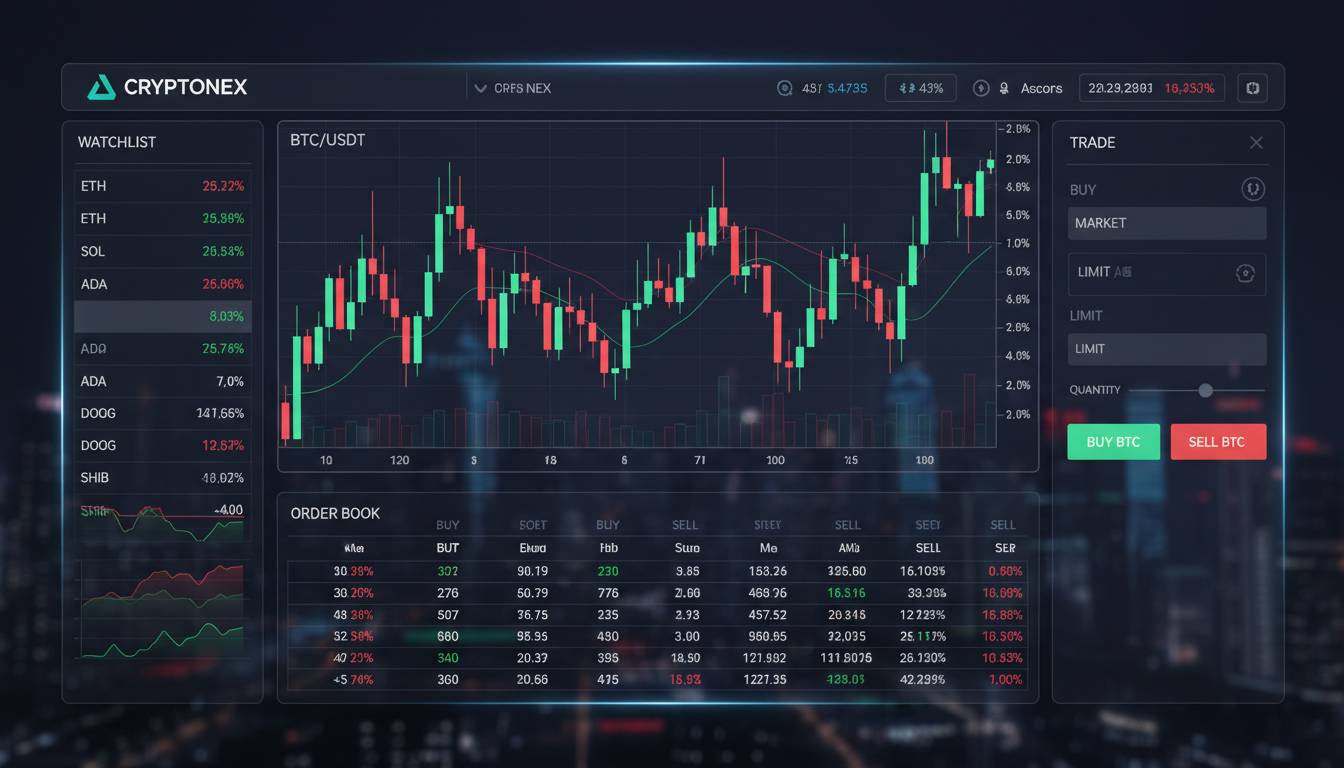
The cryptocurrency market has grown from a niche technology experiment into a global asset class worth trillions of dollars. Millions of investors now seek diversification and potential returns. This guide covers the fundamentals of cryptocurrency investment, proven strategies, and what you need to know to make informed decisions.
Understanding Cryptocurrency Basics
Cryptocurrency is a digital or virtual currency that uses cryptography for security and operates on decentralized networks called blockchains. Unlike traditional currencies issued by governments, cryptocurrencies work through distributed ledgers that record transactions across many computers without a central authority.
Bitcoin, created in 2009, remains the largest cryptocurrency by market cap. Many call it “digital gold” because of its fixed supply and store-of-value properties. Ethereum, launched in 2015, added smart contracts, which let developers build decentralized applications on its platform. This expanded blockchain use cases beyond simple transactions.
You can buy cryptocurrencies through exchanges, which work like stock brokerages but for digital assets. After buying, you store holdings in digital wallets. Hot wallets connect to the internet for easy access. Cold wallets stay offline for better security.
Types of Cryptocurrencies
The market has thousands of digital assets, each with different characteristics and risk levels.
Bitcoin is the benchmark cryptocurrency and where most investors start. Only 21 million coins will ever exist. Its network security and widespread adoption make it more stable than newer alternatives. Institutional investors have added Bitcoin to their portfolios, giving it more legitimacy.
Ethereum supports smart contracts, enabling decentralized finance apps, NFTs, and other blockchain projects. Its shift to proof-of-stake reduced energy consumption significantly.
Stablecoins try to maintain a fixed value, usually tied to the US dollar. They let you stay in the cryptocurrency ecosystem during volatile periods without exposed positions.
Altcoins refers to any cryptocurrency besides Bitcoin. This category includes privacy coins, platform tokens, and industry-specific solutions. These carry higher risk due to unknown teams, lower liquidity, and bigger price swings.
Investment Strategies
Dollar-cost averaging works well for entering the market. Invest a fixed amount regularly regardless of price. This spreads purchases over time and reduces the impact of volatility. You don’t need to time the bottom. Just build your position gradually.
Diversification helps manage risk. Don’t put everything in one asset. Spread investments across cryptocurrencies with different use cases. Many advisors suggest keeping cryptocurrency to a small percentage of your total portfolio.
Research matters before you buy. Understand the technology, the team, the tokenomics, and the competitive landscape. Read the technical documentation. Follow credible news sources. Talk to the community. Don’t just follow influencers.
Long-term holding has worked for Bitcoin and Ethereum. Be prepared for dramatic price swings. If you believe in the fundamentals, patience pays off.
Risk Management
Volatility is the most obvious risk. Prices can surge or crash quickly. Only invest money you can afford to lose entirely.
Security threats are real. Hackers target exchanges and individuals through phishing, malware, and software exploits. Use reputable exchanges with strong security. Enable two-factor authentication. Store significant holdings in hardware wallets.
Regulatory changes affect prices. Countries handle crypto differently. Some embrace it, others ban it. Policy shifts can crash values overnight. Stay informed about your jurisdiction’s rules.
Market manipulation happens more here than in traditional markets. Pump-and-dump schemes are common. Wash trading inflates volume. Be skeptical of guaranteed returns or pressure to buy quickly.
Building Your Portfolio
Start with Bitcoin and Ethereum if you’re new. These established coins offer exposure with relatively more stability. As you learn more, you can explore other projects.
Position sizing matters. The promise of high returns is attractive, but the volatility demands discipline. Start small. Increase exposure as you gain experience.
Keep records of every transaction. The IRS treats crypto as property. You owe taxes on gains. Good records make tax time easier and help you track performance.
Common Questions
Is crypto good for beginners?
Yes, if you educate yourself first. Start small. Focus on Bitcoin and Ethereum. Use dollar-cost averaging. Don’t invest more than you can afford to lose.
How much should I invest?
Only what you can afford to lose completely. Many advisors suggest keeping crypto to 5-10% of your portfolio. Adjust based on your risk tolerance.
Which crypto is best for long-term holds?
Bitcoin is the most established. Ethereum has strong potential through its smart contract platform. Both have track records. Do your own research before buying anything.
Is it too late to invest?
No. The market keeps developing. Early adopters had lower prices, but opportunities still exist. Success comes from research, realistic expectations, and risk management—not from perfect market timing.
How do I start safely?
Choose reputable exchanges. Enable two-factor authentication. Consider a hardware wallet for larger holdings. Start with small positions in established coins. Learn the market before committing significant money.
What are the tax rules?
In the US, the IRS treats cryptocurrency as property. Selling for a profit creates a taxable event. Trading one coin for another counts too. Keep detailed records. Consult a tax professional if needed.