
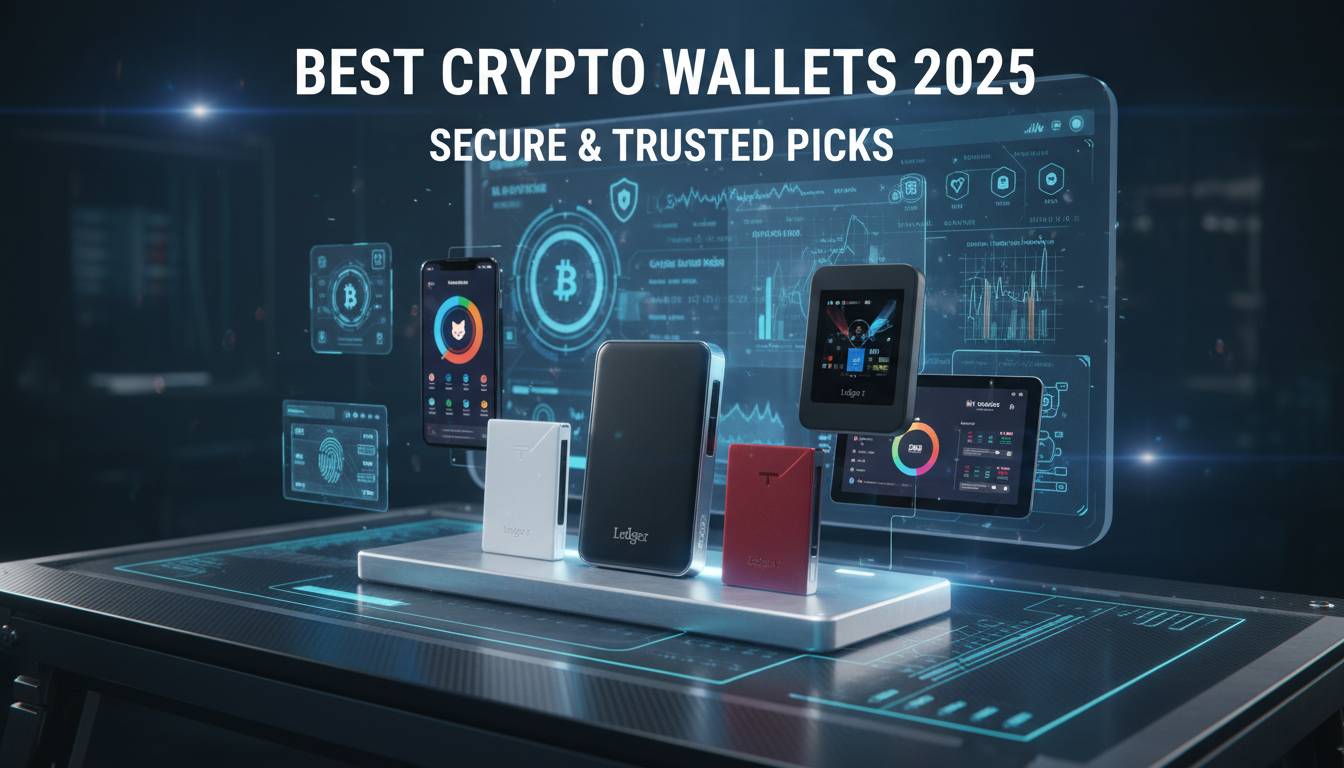
The crypto space moves fast, and if you’re holding digital assets, you need a wallet you can actually trust. This guide breaks down the top options for 2025—hardware and software, beginner-friendly and advanced—so you can pick what actually fits your needs.
Why Your Wallet Choice Matters
Crypto wallets aren’t all created equal. A poorly designed or insecure wallet can mean losing everything to hackers, and unlike bank accounts, there’s no federal insurance to fall back on. Billions have been stolen over the years from exchange breaches and compromised software.
Beyond security, think about how you actually invest. Are you trading daily? Holding long-term? Messing around with DeFi and NFTs? Different wallets excel at different things. You also need to decide between custodial (a third party holds your keys) and non-custodial (you hold your keys). Non-custodial gives you full control but means you’re responsible for not losing your recovery phrase.
Our Top Crypto Wallet Recommendations for 2025
Here’s what actually stands out this year, based on security, ease of use, and what each wallet does best.
Ledger Nano X – Best Hardware Wallet
Ledger dominates hardware wallets for good reason. The Nano X keeps your private keys in a secure element chip—completely offline and out of reach from online threats. It supports over 5,500 cryptocurrencies, which covers basically anything you might hold.
The Bluetooth feature lets you manage everything from your phone without sacrificing security. The OLED screen shows transaction details so you can verify everything before signing. Ledger Live handles staking, swapping, and portfolio tracking in one place.
It’s not cheap, but if you’re holding serious value, this is the standard.
Coinbase Wallet – Best for Beginners
Coinbase Wallet hits the sweet spot for anyone new to crypto. Since it’s tied to the Coinbase exchange, buying and selling is seamless—you’re not constantly moving money between platforms. But it’s non-custodial, so you still control your keys.
The mobile app is genuinely easy to use. It walks you through sending, receiving, and managing crypto without throwing technical jargon at you. Supports hundreds of thousands of tokens across Ethereum, Solana, Bitcoin, and Polygon.
Downside: you’re tied to Coinbase’s ecosystem. But if you want simple and secure, it’s hard to beat for beginners.
MetaMask – Best for DeFi and Web3
MetaMask is the go-to for anyone deep into decentralized finance, NFT collecting, or Web3 apps. Browser extension and mobile app both work well. It connects directly to thousands of dApps across Ethereum, Polygon, Arbitrum, and more.
One thing to note: MetaMask doesn’t support Bitcoin natively. It works great in the Ethereum world, though you can add Bitcoin through third-party integrations.
Good security features—password, biometrics on mobile, and you can pair it with a hardware wallet if you’re holding serious money. The built-in DEX aggregator finds decent swap rates, which is convenient.
Trust Wallet – Best Mobile-First Option
Trust Wallet is massive globally, and it’s genuinely good. Acquired by Binance but operates independently. Supports over 10 million assets across 70+ blockchains—unreal breadth if you hold weird alts.
The built-in Web3 browser is solid for exploring dApps. Staking is straightforward. No identity verification for basic use, which matters to people who care about privacy.
It gets regular audits and the code is open source, so you can verify it’s doing what it says.
Exodus – Best All-Around Software Wallet
Exodus has a loyal fanbase for good reason. The interface is clean and actually pleasant to use—something a lot of wallets fail at. Supports 300+ cryptocurrencies with built-in exchange aggregation for decent swap rates.
Desktop and mobile both work well. Integrates with Trezor if you want to level up to hardware security later. No hidden receive fees, just network costs when sending.
Customer support is responsive, which matters more than you’d think when something goes wrong at 2am.
Electrum – Best Bitcoin-Only Wallet
If you only care about Bitcoin, Electrum is still the move. It’s been around forever and has a track record you can trust. Full control over your keys, multi-signature support, cold storage integration, and customizable fees.
The server-based index makes things fast without exposing your keys. You can use it with hardware wallets, route through Tor for privacy, and create paper backups.
The interface looks like it hasn’t been updated since 2015, and that’s honestly fine if you care about function over fashion. It just works.
Trezor Model T – Best Open-Source Hardware Wallet
Trezor goes head-to-head with Ledger, and the big advantage here is full open-source transparency—both hardware and software can be audited by anyone. The touchscreen makes verifying transactions easier than button-only devices.
Supports 1,000+ cryptos and plays nice with Exodus and Electrum. The Shamir Backup feature is slick—split your recovery seed into shares so you can recover without a single point of failure.
Good for people who want to verify the code themselves or prefer the open-source philosophy.
How to Pick the Right Wallet
Here’s what actually matters:
Security: Look for two-factor auth, clear recovery options, and industry-standard encryption. Hardware wallets beat software for big holdings.
Supported coins: If you hold random alts, make sure your wallet actually supports them. Moving wallets later is a pain and risky.
Fees: Some wallets charge extra on top of network fees. Others are free to use. It adds up.
Custodial vs non-custodial: This is the big one. Non-custodial means you hold your keys—you’re your own bank. Custodial means convenience but you trust someone else.
Ease of use: A confusing interface leads to mistakes. For beginners, that’s costly.
The Future of Crypto Wallets
US regulations are getting stricter, which means more wallets will require identity verification. Privacy purists won’t love it, but that’s the direction things are heading.
Account abstraction and smart contract wallets are making waves—social recovery and abstracted gas fees could really help mainstream adoption. Multi-chain support is becoming table stakes as the blockchain world fragments into more networks.
Frequently Asked Questions
What’s the safest wallet for beginners?
Coinbase Wallet. Easy to use, non-custodial so you control your keys, and backed by a regulated exchange. Good on-ramp without the security headaches.
Exchange or personal wallet?
Active trading on exchanges is fine for small amounts. Big holdings? Get a personal wallet. Hardware if it’s serious money. You’re reducing counterparty risk.
Are crypto wallets legal in the US?
Yes. No federal ban. Some states have specific rules, so check your local laws if you’re doing anything unusual.
Hot wallet vs cold wallet?
Hot = online, convenient. Cold = offline, secure. Most people use both—hot wallet for spending, cold storage for savings.
How do I transfer between wallets safely?
Triple-check the address. Crypto transactions can’t be undone. Send a small test first. Make sure you’re on the right network—sending to the wrong one means losing your funds forever.
One wallet for multiple cryptos?
Most modern wallets handle this. Trust, Coinbase, and Exodus all cover lots of chains. Some coins still need their own wallets—check before you commit.