
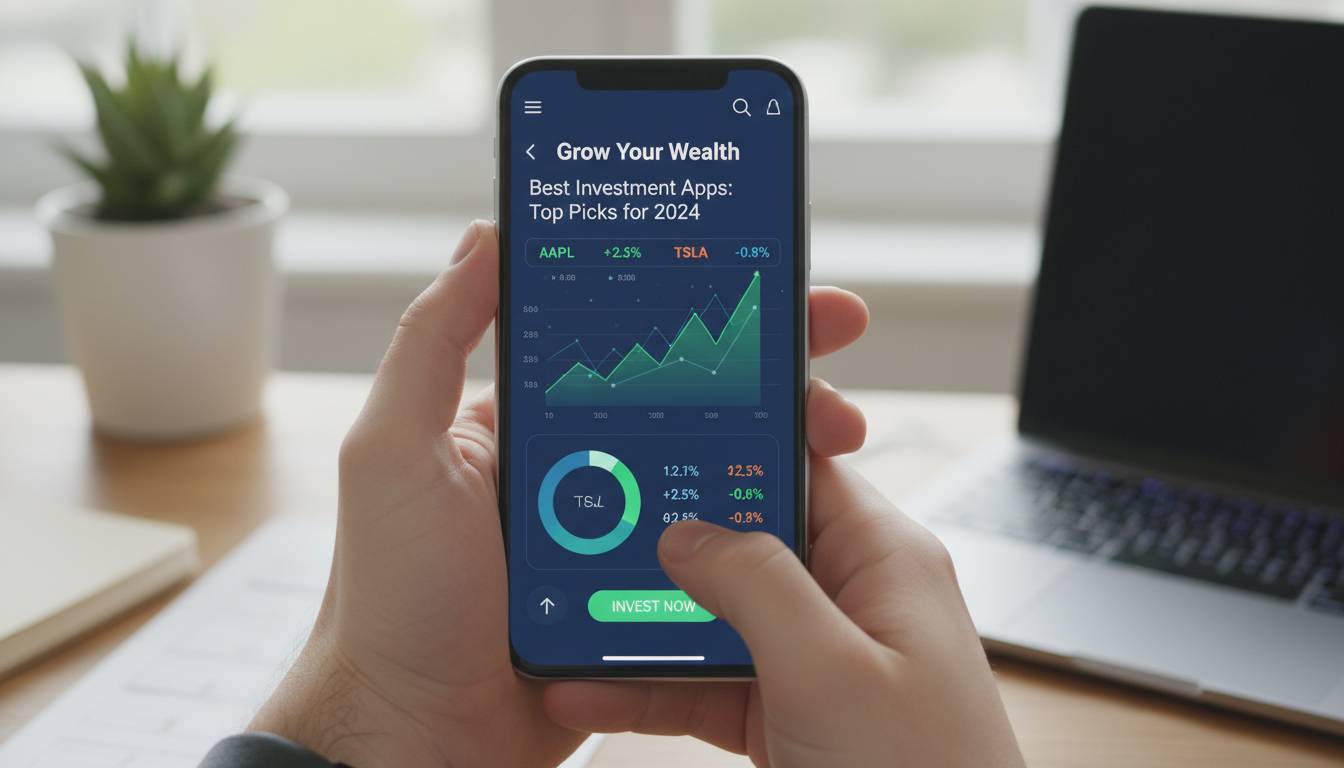
The investment app landscape has changed dramatically in the past ten years. Smartphones now power trading platforms that would have seemed like science fiction a generation ago, and millions of Americans are using them to take control of their financial futures. Whether you’re saving for retirement, building an emergency fund, or buying your first stock, the right app can genuinely impact how your wealth grows over time.
This guide looks at the best investment apps available right now, breaks down what each one does well, and helps you figure out which platform fits your goals and experience level.
How We Selected the Best Investment Apps
To compile this list, we tested more than 40 investment apps, evaluating fee structures, account minimums, how easy they are to use, educational resources, security, and customer support. We also looked at reviews from millions of actual users and got input from financial advisors.
We focused on platforms that deliver on their core promises: low costs, reliable trade execution, and useful tools for building your knowledge. Every app on this list got hands-on testing on both iPhone and Android.
Top Investment Apps at a Glance
| App | Best For | Fees | Account Minimum | Our Rating |
|---|---|---|---|---|
| Fidelity | Overall | $0 commissions | $0 | 4.8/5 |
| Charles Schwab | Low costs | $0 commissions | $0 | 4.7/5 |
| Robinhood | Beginners | $0 commissions | $0 | 4.5/5 |
| E*TRADE | Advanced trading | $0 commissions | $0 | 4.6/5 |
| TD Ameritrade | Options trading | $0 commissions | $0 | 4.6/5 |
Best Investment App for Beginners
For new investors, simplicity matters as much as features. You need an app that’s easy to navigate but also helps you learn as you go.
Robinhood made waves by stripping away the complexity that used to come with stock trading. You can open an account in minutes, link your bank, and start buying fractional shares with just $1. That low barrier to entry matters because one of the biggest things holding people back is the feeling that you need thousands of dollars to get started.
The tradeoff is that Robinhood doesn’t offer much in the way of educational content. If you’re serious about learning how investing works, Fidelity does a better job. They have articles, videos, and courses for investors at every level, plus tools that explain what your trades actually mean for your portfolio.
Best Investment App for Low Costs
Fees eat into returns over time. Even small differences add up when you’re investing for decades.
Charles Schwab and Fidelity both offer $0 commissions on stocks and ETFs, plus no account minimums. That means you don’t need a lot of money to start using the same tools that wealthy investors have had access to.
Schwab goes further by including mutual funds, bonds, and options without charging extra. Fidelity matches that pricing and throws in free access to research, stock screeners, and portfolio analysis tools—things many brokers charge for.
Best Investment App for Advanced Traders
If you’re experienced and want to execute complicated strategies, you need serious tools.
E*TRADE and TD Ameritrade both deliver advanced functionality. TD Ameritrade’s thinkorswim platform is a favorite among active traders. It offers over 100 technical studies for charting, customizable workspaces, and detailed risk analysis. You get real-time market data and can test trades before placing them.
ETRADE’s Power ETRADE app is powerful but easier to figure out than some competitors. The Options Strategy Builder lets you visualize potential outcomes before committing money—useful if you’re experimenting with options for the first time.
Best Investment App for Retirement Accounts
Retirement accounts have different rules than regular brokerage accounts. You want low costs plus tools that help you plan for the future.
Fidelity is strong here. They offer traditional IRAs, Roth IRAs, and 401(k) rollovers, all in one place. Their retirement planning tools let you see how you’re progressing toward your goals and model different contribution scenarios to see what might work.
Charles Schwab has similar retirement account options and adds access to their research team for personalized guidance on asset allocation and contribution amounts.
Key Features to Consider When Choosing an Investment App
Security comes first. You’re trusting these platforms with your money and personal data. The major brokers use encryption, two-factor authentication, and automatic logout features. SIPC insurance protects up to $500,000 if the broker fails.
Don’t assume $0 commissions mean no fees. Some apps make money through payment for order flow, which can affect how your orders get executed. Others charge for wire transfers, paper statements, or premium research. Read the fee schedule before you sign up.
Check what you can actually invest in. Most apps offer stocks and ETFs, but mutual funds, bonds, and options availability varies. Make sure your chosen platform supports whatever you’re planning to do.
Mobile apps keep getting better, but they’re not all equal. The best ones let you do almost anything from your phone that you could do on a computer. That said, active traders usually prefer desktop platforms for the extra charting and analysis features.
Conclusion
The best investment app for you depends on where you’re starting from and what you’re trying to accomplish. Beginners should look for easy interfaces and learning resources. Experienced traders need powerful platforms with advanced features. If you’re focused on costs, commission-free access plus free research adds up. For retirement, prioritize tax-advantaged accounts and planning tools.
The apps in this guide are strong choices across different categories. Take advantage of paper trading features to try before you commit real money. And remember: the best app is the one you’ll actually use regularly. Consistent contributions over time matter more than picking the perfect platform.
Frequently Asked Questions
What is the best investment app for beginners?
Fidelity and Robinhood are both good starting points. Fidelity has more educational content; Robinhood is easier to use. Both let you buy fractional shares so you don’t need much money to begin.
Are investment apps safe to use?
The major platforms use bank-level security, including encryption and two-factor authentication. SIPC insurance covers up to $500,000 if the broker goes under. Fidelity, Charles Schwab, and E*TRADE all have solid security track records.
Can I start investing with just $100?
Yes. Most apps now let you buy fractional shares, so you can start with $1 or $100 and still build a diversified portfolio. What matters more than your starting amount is investing regularly over time.
What fees should I watch out for when choosing an investment app?
Even with $0 commissions, watch for account maintenance fees, inactivity fees, transfer fees, and costs for premium features. Some brokers charge for mutual funds outside their no-transaction-fee selection. Read the full fee schedule before opening an account.