
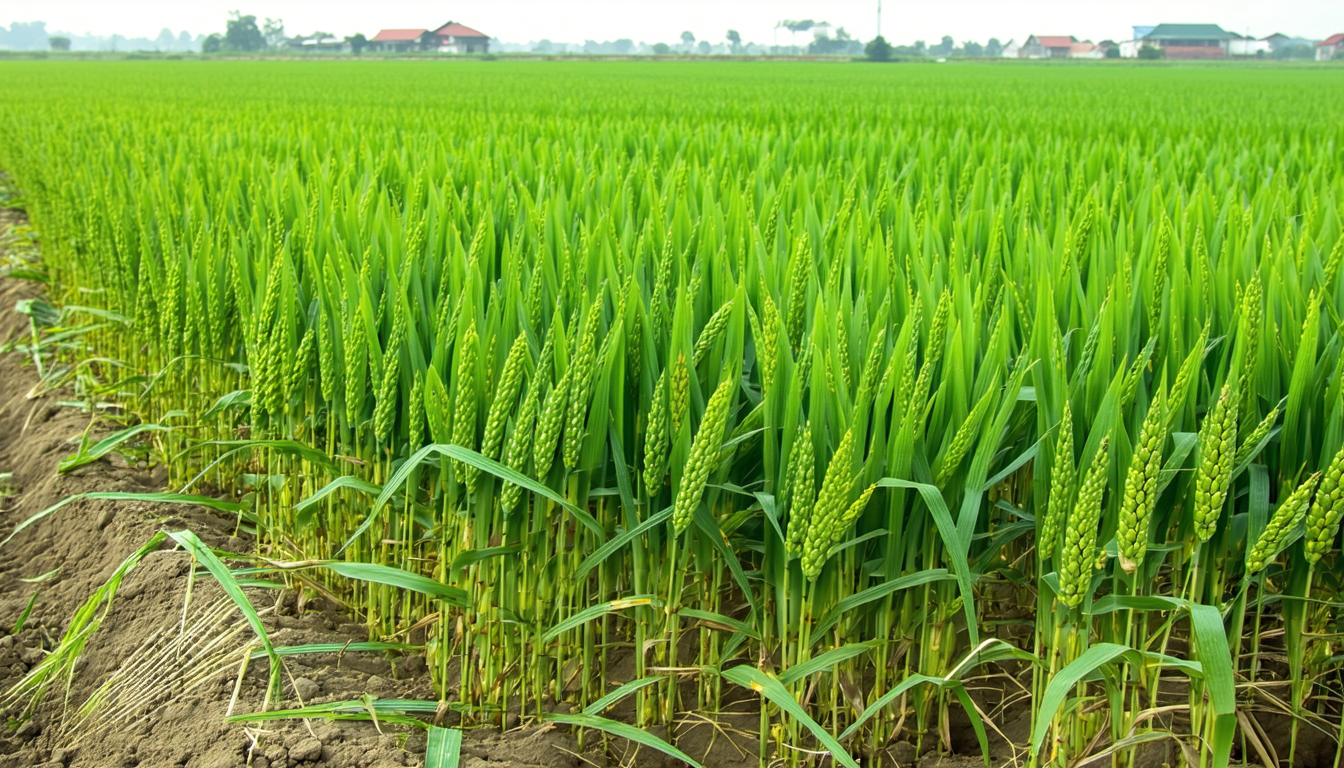
The term “e‑Paddy” might sound like tech jargon, but it stands at the crossroads of agriculture, digital governance, and farmers’ livelihoods. Essentially, it refers to a seamless online system for paddy procurement and management—particularly exemplified by the West Bengal government’s initiative. Here’s a closer look at how this digital transformation is reshaping procurement, touching on transparency, farmer empowerment, and operational agility.
e‑Paddy: What It Entails and Why It Matters
Understanding the System’s Architecture
At its core, e‑Paddy is an e‑procurement platform tailored to agricultural commodities—specifically paddy. It enables farmers to register, schedule deliveries, and check payment statuses online, eliminating paperwork and reducing logistical friction. The system is built to integrate inputs from various agencies including FPOs, SHGs, PACS, and millers, offering a unified interface for stakeholders. (epaddy1.wb.gov.in)
This is part of a broader trend in e-procurement, which refers to the use of digital tools for sourcing, tendering, invoicing, and issuance of contracts. Having such systems in place improves efficiency, transparency, and cost control, especially in public sector contexts. (en.wikipedia.org)
Why “e‑Paddy” Scores High on Inclusion & Transparency
Be it West Bengal, Odisha, or beyond, these systems help democratize access. For instance, Odisha’s pilot of an automated Paddy Procurement System (P‑PAS) expanded from four blocks to 60 within a season, empowering over half a million farmers and ensuring they received timely payments.
In West Bengal, e‑Paddy tracks key data transparently—farmer registrations, quantities procured, value of purchases, and supplier details—making it easier for the public and officials alike to monitor outcomes. (epaddy1.wb.gov.in)
Anatomy of e‑Paddy: Key Components and Workflow
Farmer Onboarding & Registration
Farmers log in using a mobile number and OTP, complete self-registration, and can then schedule when to deliver paddy. A dashboard displays procurement status and payment updates. (epaddy1.wb.gov.in)
Network of Centers & Distribution Framework
The system categorizes procurement points like central procurement centres (CPCs), mobile CPCs, FPO-run centers, SHGs, and PACS-based facilities. In the latest procurement cycle, the numbers include hundreds of CPCs and PACS but zero Direct Purchase Centres (DPCs). (epaddy1.wb.gov.in) This flexible architecture ensures rural outreach and logistical adaptability.
Real‑Time Data and Governance Orders
Procurement dashboards update every two hours—providing granular visibility into farmer benefits, quantities processed, and dispatches to mills. (epaddy.wb.gov.in) Plus, official orders—for instance, stipulating bank guarantees, color coding of gunny bags, or appointment of nodal officers—are published digitally for public reference. (epaddy1.wb.gov.in)
Integration with Financial Mechanisms
Systems like e‑Paddy typically interface with banking channels for direct payment transfers and manage electronic bank guarantees (e‑BG), reducing delays and financial ambiguity. (epaddy1.wb.gov.in)
Real‑World Impacts: Voices from the Field
Efficiency and Farmer Assurance
In Odisha, post-digital implementation, farmers could avoid distress sales, with payments disbursed swiftly—often within two days of procurement. In West Bengal, farmers benefit from campus scheduling, transparency in procurement volumes, and accessible status updates. (epaddy.wb.gov.in)
Enhancing Trust and Systemic Reliability
“A good e‑Paddy system is as much a governance tool as it is an agri‑logistics one—it reassures farmers that they’re seen, heard, and paid.”
— seasoned agri-policy analyst
Such systems foster accountability, counter corruption, and reduce the influence of middlemen, although their success depends on digital access and infrastructure—a lingering challenge for some rural communities.
Scaling with Strategic Flexibility
Models like Odisha’s and West Bengal’s show how the system can expand from pilot blocks to state-wide deployment. This adaptability is crucial when dealing with seasonal surges and decentralized regions.
Framework for Evaluating e‑Paddy Systems
Governance & Policy Anchors
Solid policy backing—like setting MSP timelines, certifying procurement agents, and defining bag color codes—ensures transparency and streamlined operations. (epaddy1.wb.gov.in)
Technological Strength & Usability
Mobile logins, OTP authentication, scheduling, and status tracking should be seamless, even over low-bandwidth networks. UI must serve all user segments—from tech-savvy millers to first-time app users.
Data Transparency & Real‑Time Monitoring
Dynamic dashboards should display updates every few hours, feeding into real-time planning and timely communication with farmers. (epaddy1.wb.gov.in)
Operational Integration & Scalability
The system should cover everything from farmer registration to dispatch, integrate with banking and millers, and scale fast during peak seasons.
Accountability & Oversight
Publication of official orders, financial docs, and timely dashboards builds public trust. Anti-fraud safeguards and audit trails are essential for long-term credibility.
Benefits vs. Challenges: A Balanced View
Upsides
- Increased transparency and trust
- Faster payments and elimination of manual delays
- Wider farmer participation and reduced exploitation
- Operational clarity for agencies and millers
Limitations
- Requires basic digital literacy and uninterrupted connectivity
- Vulnerable to technical glitches or data mismatches
- Initial rollout needs training, training centers, and help desks
- Without supportive policies, adoption may stall
Creative Enhancements & Future Directions
Here are some ways e‑Paddy platforms can evolve:
- SMS/WhatsApp Channels: Allow farmers to schedule or view payment updates without logging in.
- AI Assistance: Chatbots to answer farmer queries in local languages.
- Predictive Analytics: Forecast procurement volumes and dynamically deploy mobile CPCs.
- Geo‑tracking: Monitor center deployments and last‑mile logistics.
- In-app Tutorials: Visual guides easing navigation for users unfamiliar with digital tools.
These ideas can make e‑Paddy systems not just functional, but also farmer-friendly and adaptive.
Conclusion
The digital wave in agricultural procurement—embodied by systems like e‑Paddy—offers a compelling narrative of efficiency and fairness. Through timely payments, data credibility, and system transparency, such platforms modernize the vital paddy supply chain. For continued evolution, they must embrace inclusivity, scale smartly, and leverage emerging tech in ways that serve farmers, policymakers, and processors alike. As the landscape of agritech matures, e‑Paddy stands as both an achievement and a blueprint for digital procurement futures.
FAQs
FAQs
Q: What exactly is e‑Paddy?
A: e‑Paddy is a digital platform used primarily by India’s state governments (e.g., West Bengal) for seamless procurement of paddy. It enables farmer registration, scheduling of deliveries, real‑time status tracking, and straight-through payments.
Q: How does e‑Paddy improve transparency?
A: It publishes real-time dashboards showing procurement figures, financial data, and center-level breakdowns. Additionally, official orders and procurement policies are made publicly accessible online.
Q: Can small-scale farmers easily use the system?
A: The platform uses mobile OTP and user-friendly interface, but some farmers may need training or support, particularly in regions with limited internet access.
Q: Is e‑Paddy only used in West Bengal?
A: While West Bengal’s implementation is a prominent example, other states—such as Odisha with its P-PAS pilot—also leverage similar technology, indicating a broader trend.
Q: How quick are payments once paddy is procured?
A: In some systems, including Odisha’s P‑PAS, payments have been disbursed within two days of delivery. This quick turnaround supports farmer cash flow and economy.
Q: What future enhancements could improve the system?
A: Potential additions include AI-powered support, WhatsApp integration, geo‑tracking of centers, predictive analytics, and in-app tutorials to boost accessibility and operational efficiency.
